
Snettisham Spectacular, The Wash
Where to see wildlife in the East of England
Best birdwatching in the UK and largest seal colony in the British Isles
Suffolk and Norfolk in the East of England are one of the best destinations in the British Isles for watching wildlife, from Premier League birdwatching on the coast, to the biggest seal colony in the British Isles, spectacular Winter swan and geese migrations, deer and wild horses.
Suffolk and Norfolk have a large number of national nature reserves, managed by the World Wildlife Trust, Norfolk and Suffolk Wildlife Trusts and the RSPB.
Top wildlife destinations in the East of England

Whooper swans at sunset, WWT Welney
Wetlands Wildlife Trust Welney
Norfolk is the Caribbean compared to where the wild Whooper and Bewick swans have come from. Whoopers fly non-stop from Iceland and the Bewick's travel across Europe from Siberia, stopping off for breaks on their way to Wetlands Wildlife Trust Welney.
At WWT Welney you can see these magnificent creatures in their thousands. Feeding in fields and marshes during the day, as dusk falls the noise builds to a crescendo as, one by one, groups take to the air and head to the deeper water, conveniently just in front of the warm and capacious visitor hide. Watch them being fed by floodlight – and maybe ask if you can give it a go yourself.

RSPB Minsmere from Dunwich Heath
RSPB Minsmere
Minsmere’s mix of landscapes makes it an ideal spot to see how the RSPB manages and protects different habitats for the benefit of wildlife. On a visit to this Suffolk nature reserve on the Suffolk coast, you can look forward to exploring reedbed, shallow lagoons, wet grassland, heathland and vegetated shingle.
The habitats here are managed to make them ideal places for thousands of species of wildlife. Take the reedbeds, where Marsh Harrier, Otters and Water Voles can be found. Or the heathlands, where Nightjars churr, Adders slither and Silver-studded Blue Butterflies flutter.
Take an idyllic walk through the reedbed or head to the coastal lagoons to see an array of birds, including Avocets, Bearded Tits and Bitterns. You might even spot an otter by the reedbed pools.

Murmurations at RSPB Snettisham on The Wash
The Wash
One of the great winter wildlife spectacles to enjoy is huge skeins of pink-footed geese. More than a third of the world's population of this species spend the winter in Norfolk with peak numbers present in January and February. These geese are very noisy both in flight and on the ground. They roost together at night in huge numbers on remote parts of The Wash and their dawn and dusk flights between inland feeding areas on farmland and these coastal roosts are an amazing wildlife sight.
The best place to see thousands of migrating pink-footed geese in flight at RSPB Snettisham. At the day's beginning they move from their roosts on the mudflats of The Wash inland to feed on the fields (potato and beet tops being favoured delicacies) before returning at nightfall. With so many geese and waders around, look out for predators too - hen and marsh harriers, peregrines and merlins.
You can also enjoy watching pink-footed geese at NWT Holme Dunes, NWT Cley Marshes, NWT Hickling Broad and NWT Martham Broad nature reserves. As well as the pink-footed geese also look for migratory brent geese on the saltmarshes as well as the resident greylag, Canada and Egyptian geese.

Seals cluster at Blakeney Point
Blakeney Point
There is a large seal colony at Blakeney Point year-round, but it’s in the winter when the colony is at its biggest when thousands of Grey seal pubs are born.
Unlike the smaller common seals which give birth in the summer, Grey seal pups are suckled for three weeks by their mothers and remain on the beach for much of this period.
Take a boat trip from Morston Quay to see them basking on the beach and sandbanks as well as in the water. High tide is the time to go – the estuary here is just mud at low tide.
Where to see the seals in Norfolk
Norfolk has the largest seal colony in the British Isles, especially in the winter during the pupping season
Read more
Wild deer
Holkham Estate
With the foliage died back in the winter, it's a great time of year to see red deer. At Holkham you can take yourself out on a guided walk – and well-behaved dogs on leads are even allowed too – with the backdrop of the fabulous stately home.

Carlton Marshes Nature Reserve
Carlton Marshes Nature Reserve
1,000 acres of wilderness in the Broads National Park, with floodplain marsh and lowland fen home to some of the largest populations of wading birds in the East of England.
Carlton Marshes is in the Waveney Valley, on the Suffolk-Norfolk border, and consists of a jigsaw of grazing marsh, fens, peat pools, short fen meadow, tall fen, dykes, pools and scrub. Mostly man-made, these habitats have developed over hundreds of years of traditional management and now host specialised wildlife.

Wild horse in Thetford Forest
Thetford Forest
Discover the UK’s largest manmade lowland forest, all 18,730 hectares of it, and look out for wild horses, deer and amazing birdlife in this patchwork of pines, heathland and broadleaves.
The forest covers a huge area with many different places to visit, offering a range of attractions from the exciting outdoor play facilities at High Lodge to the history and heritage of Mildenhall Warren and Lynford Arboretum and the peace and tranquillity of the walks around Santon Downham.
Explore on foot or cycle.
Where to see wildlife in Suffolk

RSPB Minsmere
Coastal nature reserve with woods and wetland, 7 bird spotting hides, nature trails, shop and café.

Seal Watching Trips Harwich
Seal Watching Trips, Harwich is a must do experience for ocean, nature lovers and wildlife bird…

Orford Ness National Nature Reserve
Internationally important coastal nature reserve, with a fascinating 20th-century military history

Jet Adventures
Boat trips from Lowestoft: Scroby Sands seal watching, coastal sightseeing, harbour tours, murder…

Lackford Lakes Nature Reserve & Visitor Centre
A wildlife oasis of lakes, reedbed, meadow and woodland near Bury St Edmunds, with nature to enjoy…

Carlton Marshes Nature Reserve & Visitor Centre
1,000 acres of wilderness in the Broads National Park, with floodplain marsh and lowland fen home…

Suffolk Owl Sanctuary
A wonderful experience with an outdoor flying arena featuring frequent demonstrations of birds of…

Dunwich Heath and Beach
Dunwich Heath and the adjoining beach remain closed following a devastating wildfire. This includes…
Where is the best birdwatching in Norfolk
Norfolk has some of the best birdwatching opportunities in the British Isles
Read moreWhere to see wildlife in Norfolk

NWT Hickling Broad and Marshes National Nature Reserve
The largest of the Norfolk Broads, NWT Hickling Broad is a year-round haven for many of the UK's…

NWT Foxley Wood National Nature Reserve
Foxley wood is Norfolk’s largest remaining ancient woodland, famous for its bluebells which carpet…


RSPB Titchwell Marsh
Big skies, a fabulous sandy beach and bird-filled reedbeds, lagoons and marshes are just a few gems…

Pensthorpe
Pensthorpe offers an action-packed day out for the whole family. Explore magical gardens,…

NWT Cley Marshes
The Norfolk Wildlife Trust’s oldest nature reserve purchased in 1926 to be held ‘in perpetuity as a…

NWT Sweet Briar Marshes
Situated close to Norwich city centre, Sweet Briar Marshes is a special place, both as a relic of…

NWT Ranworth Broad
In the heart of the broads, Ranworth’s impressive visitor centre and wild boat trips hold plenty of…

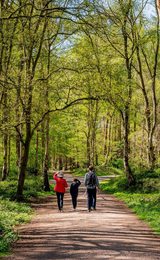
High Lodge Thetford Forest - Forestry England
Play, run, walk or cycle your way round High Lodge, Thetford Forest
Frequently asked questions
- When is the best time to see wildlife in the East of England?
The best time to see wildlife in the East of England is in the winter, with Blakeney Point giving us the largest seal colony in the British Isles, and huge migrations of geese and swans from colder climes appearing on our nature reserves along the coast.
- Where can I see wildlife in the East of England?
Suffolk and Norfolk have a large number of national nature reserves on the coast and in the countryside, managed by the World Wildlife Trust, Norfolk and Suffolk Wildlife Trusts, the RSPB and English Forestry.
- What kinds of wildlife are there in the East of England?
Norfolk and Suffolk have some of the best birdwatching in the British Isles, seal colonies on the coast including the largest in the UK at Blakeney Point, deer, otters, wild horses and more. At Pensthorpe you can see rare red squirrels.
- Where is the oldest nature reserve in the UK
Norfolk Wildlife Trust's Cley Marshes were purchased in 1926 making it the first Wildlife Trust reserve in the country. The shingle beach and saline lagoons, along with the grazing marsh and reedbed, support large numbers of wintering and migrating wildfowl and waders, as well as bittern, marsh harrier and bearded tit. The view from the visitor centre across the Marsh to the sea is breath-taking. Spring tides sometimes flood the marshes, but we don’t say 'flooding', we say 'overtopping'.
Stay In Touch
Sign up for our newsletter for East of England holiday ideas, places to stay, seasonal guides and local events. We’ll share inspiration for days out, coastal breaks and countryside escapes, plus occasional highlights worth bookmarking. No spam, just helpful updates when there’s something good to share.
